
Second-lowest since 1974: Fewer Wildfires in the Balearic Islands — and What It Means for Mallorca
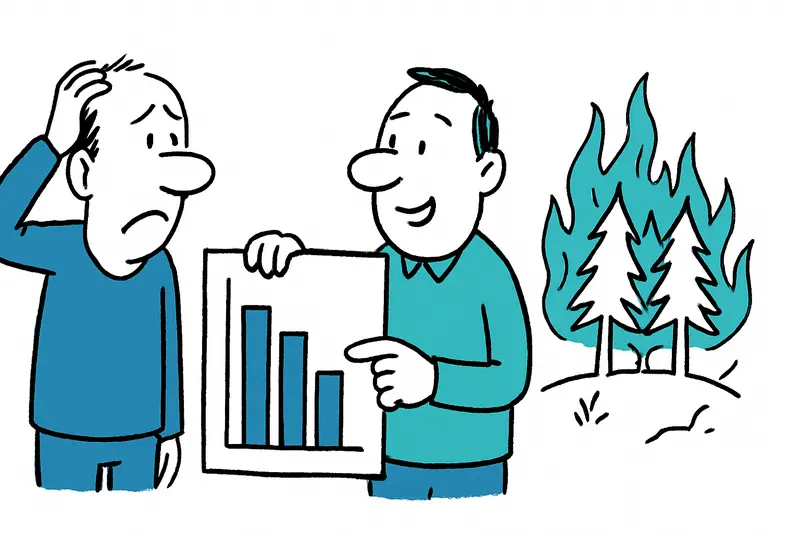
In 2025 the Balearic Islands recorded only 82 wildfires and around 17 hectares burned — the second-best figure since records began. On Mallorca there were 39 fires. Why the numbers are right and what remains important.
Second-lowest since 1974: Fewer Wildfires in the Balearic Islands — and What It Means for Mallorca
Second-lowest since 1974: Fewer Wildfires in the Balearic Islands — and What It Means for Mallorca
82 fires, around 17 hectares affected – a piece of news that smells of sea air
The Balearic government has confirmed: in 2025 a total of 82 wildfires were recorded on the islands, affecting just over 17 hectares. This is the second-best figure since records began in 1974. Mallorca itself counted 39 fires, Ibiza 26. These numbers may sound matter-of-fact, but they bring a slight sense of relief — like a cool gust of wind on a hot day along the Passeig del Born.
If you walk through Palma on a winter morning, you hear the usual noises: delivery vans, seagulls, the crunch of chestnut leaves. There is also something you may appreciate even more when the Tramuntana forests rise before you: the smell of pine and damp earth. The figures from last year are therefore more than statistics. They are a short moment to breathe for all of us — for the farmers in Llucmajor, the hikers at Cala Tuent and the winemakers in the Pla de Mallorca.
The Balearic government credits prevention, better coordination and rapid intervention for the calm balance. That sounds plausible: when control centres alert faster, firefighting helicopters are deployed more precisely and access routes are kept clear, less area burns. Residents often notice such measures first: fewer loud overflights, fewer road closures, less smell of burnt resin in the evening.
But an all-clear does not mean complacency. A look at the recent hot summers shows how quickly a small fire can cause great harm (Mallorca on Alert: Highest Wildfire Warning Level and Scorching Heat – What to Do Now).
On Mallorca, narrow mountain tracks in the Tramuntana, dense pine forests and scattered fincas are a challenge for firefighters. The positive 2025 balance owes much to human effort — from professional crews to volunteer fire groups — and to small everyday measures: cleared access ways, tidy hedges and attentive neighbours.
So what should we do as an island community now? First: keep up prevention. That means no uncontrolled outdoor fires, refrain from smoking near forests during dry months and only barbecue in permitted, clean areas (Wildfire Season in Mallorca Officially Over — Relief with Reservations). Second: keep paths and access routes clear. A rescue vehicle often needs only a few minutes to reach a fire — minutes that decide the extent of the blaze. Third: report quickly and attentively. A quick call to emergency services can achieve more than a whole post on social media.
Technology also helps: weather data from AEMET, drones for situational images and modern communication between municipalities shorten response times (Alarm Level 4 in the Balearic Islands: Why Every Spark Counts Now). At the same time, the figures show that traditional on-the-ground work matters: training for municipal workers, regular maintenance of firebreaks and clear evacuation plans. Municipalities like Andratx or Sóller feel this when field tracks are cleaner and water points for firefighting remain accessible.
An effect that is hard to capture in charts: the return of normality. When school classes go on field trips again in spring, fishermen in Portixol enjoy their early morning coffee at the harbour and winemakers on the Plaça de Sa Sinia discuss vine pruning, that is a good sign. Protecting our landscape is also protecting tourism and local traditions.
In closing, a small, friendly appeal: go for a walk, but think about a bucket of water if you plan an open-fire picnic. Report smoke immediately. And appreciate the quiet work behind the number 82 — from drivers and control centres to foresters and volunteers. If we continue to work together, the island will stay green and alive — with the scent of the sea in the air.
Outlook: The positive 2025 results are an occasion to stabilise and improve what has been achieved. Maintenance, information and technology should go hand in hand. That way Mallorca remains a place where you wake up and first smell pine, not smoke.
Read, researched, and newly interpreted for you: Source
Similar News

Parking ticket chain at Son Espases: When patients are closer to the ticket than the consultation room
Around Son Espases University Hospital, parking fines for patients and relatives are piling up. Who is responsible — the...
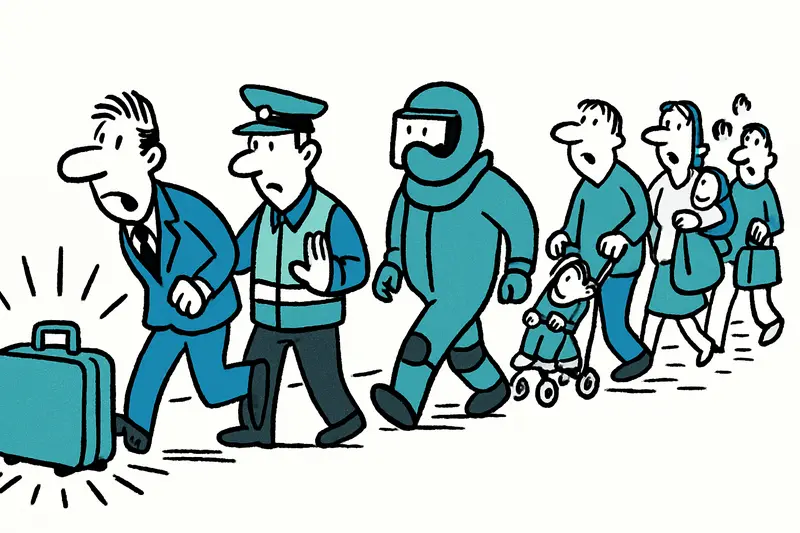
Suitcase sets off alarm: What the incident at Palma Airport reveals about our security culture
An unattended suitcase in the afternoon triggered the anti-terror protocol at Palma Airport. Why such scenes happen and ...

New Year's joy into the evening: Big celebration at the harbour of Port d'Andratx
On New Year's Day the harbour promenade of Port d'Andratx turned into a colorful street party: DJs, an electrified violi...
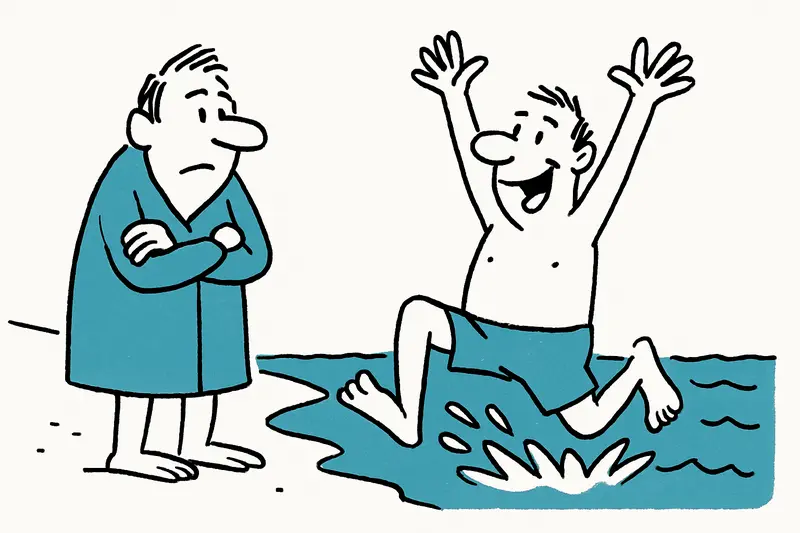
Dare at Sea: New Year's Dips in Mallorca Become an Island Tradition
On January 1 many Mallorcans and visitors again headed to the beaches to begin the new year with a jump into the sea. Fo...
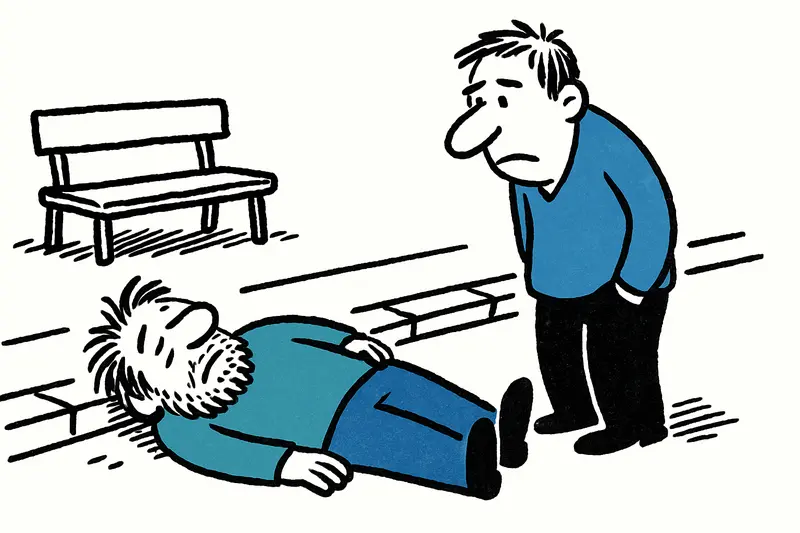
New Year's discovery in Cas Capiscol: A man dead on the sidewalk — what does this say about our care?
On New Year's morning a 53-year-old man was found dead in Cas Capiscol. The circumstances raise questions about the care...
More to explore
Discover more interesting content

Experience Mallorca's Best Beaches and Coves with SUP and Snorkeling

Spanish Cooking Workshop in Mallorca
