
Fire, Devils, Doubts: Sant Antoni in Mallorca — Celebrate or Rethink?
Fire, Devils, Doubts: Sant Antoni in Mallorca — Celebrate or Rethink?
Sant Antoni fills the streets with smoke, drums and devil figures. After a fatal accident, the festival in Manacor is under a changed mood. How safe are the traditional celebrations — and what is missing from the conversation?
Fire, Devils, Doubts: Sant Antoni in Mallorca — Celebrate or Rethink?
Key question: How much tradition can coexist with people's safety without the festival losing its soul?
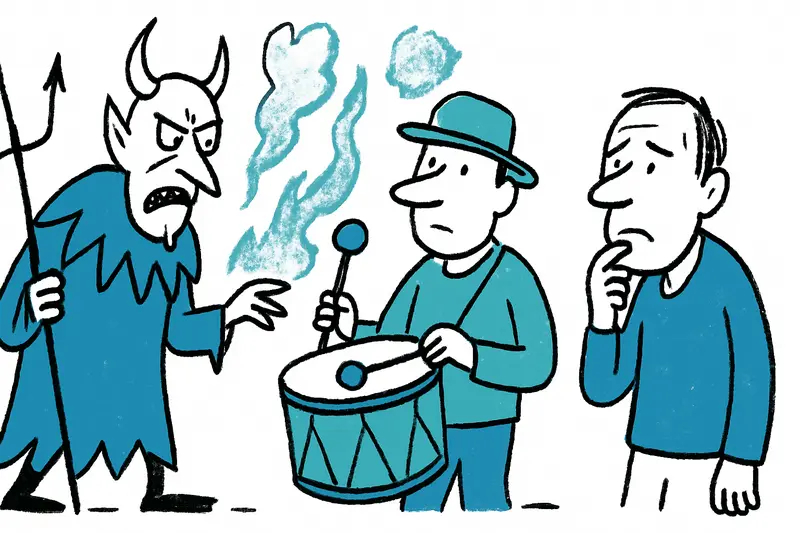
Tonight smoke will again drift over the villages, embers crackle in the foguerons, and devil figures rush through narrow streets. Sant Antoni in Mallorca is an event you hear, smell and feel with your feet: venues include squares like the Plaza Mayor in Sa Pobla, the streets in front of the church in Manacor, the Rambla and the plazas of smaller municipalities like Capdepera and the courtyards in Pollença, and similar village fêtes across the island are covered in Autumn Festivals in Mallorca: Markets, Sea and a Touch of Fire.
In Sa Pobla the devil dance begins on the Plaza Mayor at 21:15; it is followed by a piromusical, a mix of fire staging and music that magnetically draws the audience. In Manacor the devil parades with devil carts started in the early evening; the first bonfire is traditionally lit in front of the church. Pollença fills its fields with countless foguerons, and in Capdepera the devils march through the winding streets — each community has its own tone, routines and danger points.
Critical analysis: traditions carry weight. They are bearers of identity, meeting places for families and neighborhoods. But the dynamics of these festivals — burning torches, narrow alleys, crowds, improvised stages and carts — bring real risks, as seen in other events such as the Slaughter Festival in Sineu: Fira de Sant Tómas Tempts with Sobrasada and Rural Life. The report of a roof collapse with a fatal outcome in connection with festival preparations makes clear: infrastructural weaknesses, improvised constructions and time pressure can be life-threatening. Such accidents sometimes result from exhaustion, lack of professional inspection or simply too many hurried fixes shortly before the event.
What is often missing from public debate is a sober assessment apart from the passion for the festival. There is little transparency about permitting procedures, technical approvals of carts and stages, or the responsibilities of local organizations, and similar debates over safety and liveability have surfaced in places like Felanitx Between Sparks and Families: How Much Noise Can the Festival Take?. In many places the success of the event relies on volunteers, trust and decades of habit — that is valuable, but can create safety blind spots. Also rarely discussed: the strain on emergency services when multiple fire sites occur simultaneously and the handling of people with health vulnerabilities in the crowd.
A small everyday scene from Palma and the villages, echoed in recent coverage of island celebrations such as the Night of Souls in Palma: Tradition Between Firelight and Weather Stress: Aina, the baker on the corner of Carrer de Sant Miquel, places the last ensaimadas in the display in the morning and already hears the rattling lanterns and cowbells from afar. On the Plaza Major in Sa Pobla a group of young people rehearse the devil dance, sparks fly, the aprons are still clean. An older man who has witnessed every Sant Antoni shakes his head: “We used to be smaller, everyone knew the escape routes.” This feeling — warmth on the one hand, concern on the other — is felt everywhere.
Concrete solutions: first, mandatory technical inspections for carts, temporary stages and roof work, carried out by qualified inspectors before the festival day. Second, standardized checklists for organizers — fire protection, escape routes, maximum density per metre of alley, first aid stations at strategic points. Third, training for volunteers who handle fire; simple courses on firefighting, extinguishing techniques and crowd guidance can achieve a great deal. Fourth, clear communication channels with fire and rescue services including rapid reporting chains so that emergency care does not fail due to improvised obstacles. Fifth, transparent public documentation of safety requirements before every major celebration so residents and visitors know what they are entering into.
The festival must not be disenchanting: fire, music and the somewhat mad figure of the devil belong to the culture. But real tradition lives from protecting and passing on customs to future generations. Technology and rules are not enemies of celebration, they are its insurance. It's not about banning pyrotechnics, but about organising them so no one has to pay for the atmosphere with their safety.
Short-term helpful measures: organised meeting points for families with children away from the most intense fire zones, marked safe routes for emergency services and a visible team of helpers with armbands to guide visitors. In the medium term municipalities should develop common standards that go beyond anecdotes: inspected carts, liability rules for organizers and mandatory notifications when roof or facade work takes place before festivals.
Conclusion: Sant Antoni is an event full of sensuality and community — a mosaic of flying sparks, cowbells, children's cries and old music. The current mourning makes clear that festivity and caution are not contradictions. If communities now show the courage to organise, with clear rules and honest communication, the soul of the festival will remain and future generations can continue to dance without fear.
Quick facts: Sa Pobla: devil dance 21:15, followed by a piromusical on the Plaza Mayor. Manacor: devil parades from 19:00, first bonfire in front of the church; program locally adjusted after a fatal roof collapse during preparations. Pollença: numerous foguerons across the municipality. Capdepera: devils parading through the streets.
Read, researched, and newly interpreted for you: Source
Similar News

Half the fleet booked: How Mallorca should rein in the boating euphoria for the solar eclipse
Around seven months before the total solar eclipse on August 12, charter boats in Mallorca are in high demand. Between b...

How safe is Mallorca for celebrities? A reality check from everyday life
A security perspective from Palma: which dangers truly affect VIPs on the island, what is missing in public debate, and ...
Delayed by a Stuck Overhead Bin: When Small Defects Have Big Consequences
A Eurowings flight from Düsseldorf to Palma took off about ninety minutes late because an overhead bin would not close. ...
Special Trains to Sant Antoni: Travel by Rail to the Village Festivities
SFM provides additional trains between Palma, Inca and Sa Pobla. The first special train leaves Palma at 19:05; tomorrow...
Fire, Music and Neighbourhood: Sant Antoni Lives in Mallorca's Villages
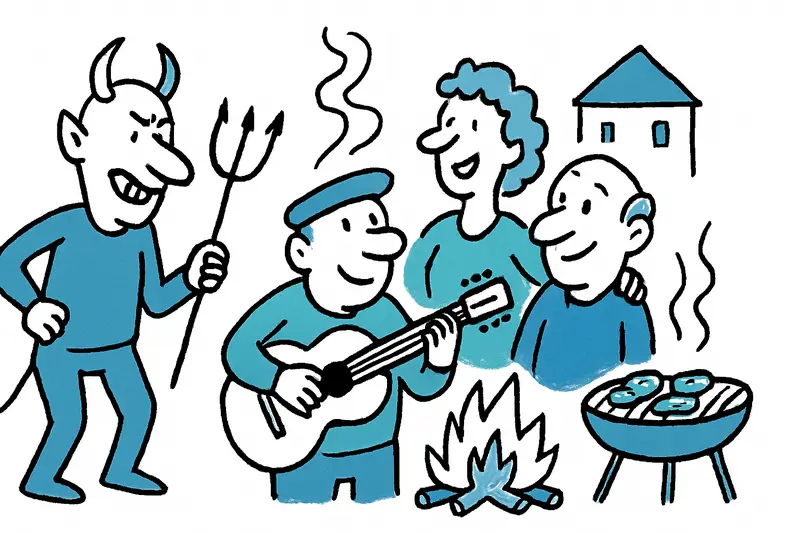
When the devils march through Sa Pobla and Manacor, the island smells of smoke and grilled meat. Sant Antoni is more tha...
More to explore
Discover more interesting content

Experience Mallorca's Best Beaches and Coves with SUP and Snorkeling

Spanish Cooking Workshop in Mallorca
