

When Roosters Conquer the Island: Who Will Stop the Wild Chickens on Mallorca?
When Roosters Conquer the Island: Who Will Stop the Wild Chickens on Mallorca?
Feral domestic chickens populate roundabouts, industrial areas and town centers. Who is liable in accidents, who monitors animal diseases — and why does so much remain piecemeal?
When Roosters Conquer the Island: Who Will Stop the Wild Chickens on Mallorca?
Key question
How dangerous are the new chicken colonies on Mallorca really — for traffic, poultry stocks and nighttime peace — and who assumes responsibility before a local nuisance becomes a health or safety problem?
Critical analysis
Over the past five years something has changed that used to be expected only on farms: domestic chickens now live free in towns and industrial areas. The animals appear on roundabouts, in supermarket parking lots like Alcampo, in industrial areas near Marratxí, in the parks of Santa Ponça and even in the middle of towns such as Manacor, where several hundred individuals were counted on a fallow plot. The causes are no secret: rural exodus, abandoned farms and lack of care. The result is populations that are neither registered nor veterinarian-monitored.
The problem is multifaceted. First, animal diseases: feral chickens come into contact with domestic poultry and wild birds and can thus bring pathogens like avian influenza close to controlled flocks. That increases the risk of losses for farmers and forces regional veterinarians to be more vigilant, as highlighted in Avian Flu: Balearic Islands Declared High-Risk Zone — Are the New Rules Enough for Poultry Keepers?. Second, traffic safety: the animals seek shelter on traffic islands and parking areas — where asphalt meets green — and then wander onto roads. There are already reports of accidents and serious hazards for drivers and cyclists. Third, residents' quality of life: crowing roosters at dawn, nesting sites high in pines or plane trees, droppings on playgrounds and in hotel gardens.
What's missing in the public debate
The debate too often remains at the level of anecdotes and outrage. What is crucially missing is a coordinated approach: a unified census, a clear plan for capture, veterinary examination and aftercare, as well as binding rules on waste management and feeding at the municipal level, as in Balearic Islands Tighten Rules Against Bird Flu – Feeding Only in Protected Areas. There is also a lack of a transparent cost plan: who bears the expenses for capture operations or reception centres — municipalities, the Balearic government, or private animal welfare organizations? Finally, the legal question is rarely asked: when are animals private property, when are they common property, and who is liable in the event of accidents?
Everyday scene from Mallorca
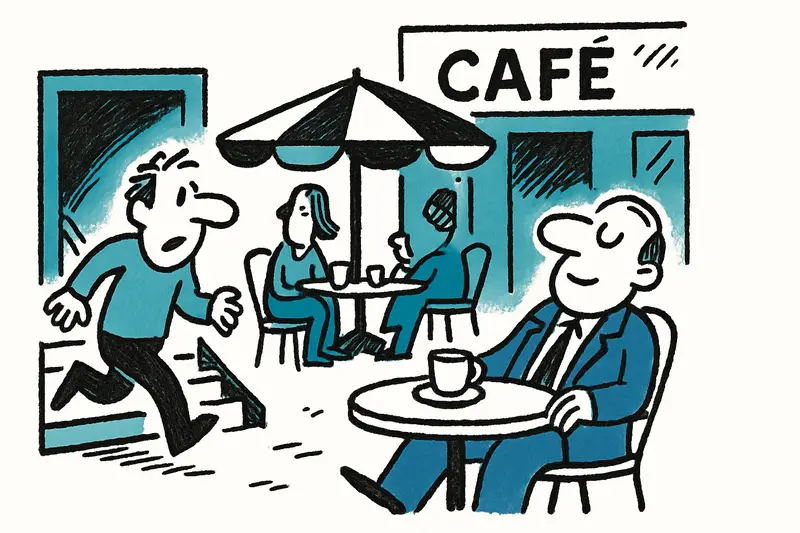
Early in the morning in Marratxí, the light still bluish, the street sweeper rolls by, and on the roundabout near the business park two chickens peck undisturbed among cigarette butts and scraps of paper. A delivery van brakes, the driver honks, the birds flutter up into a low olive tree — eight meters high, residents report. On the terrace of a nearby café customers discuss the economic consequences for farmers, and the trash bins are open again. The scene is both touching and absurd: a rural sight in the middle of suburban everyday life.
Concrete solutions
1. Unified inventory: the island parliaments and municipalities should jointly create a map of where colonies exist, prioritizing by risk (highways, proximity to poultry holdings, tourist hotspots). 2. Coordinated capture and testing program: existing reception structures such as local animal shelters and the mentioned reception program for feral pets must be better funded and networked. Every captured group needs veterinary testing for poultry diseases and proper documentation, similar to Avian flu in the Balearics: Compulsory housing in 14 municipalities – is the measure sensible?. 3. Strengthened hygiene and waste management: closed bins and feeding bans reduce food sources that attract colonies. 4. Prevention work instead of just reaction: information campaigns in municipalities, neighborhood groups and tourist centers — how not to feed, how to secure coops and when to call the authorities. 5. Research and alternatives: whether biological birth control for chickens is practicable must be seriously examined, as well as other welfare-friendly control measures. 6. Clear liability rules: municipalities should review how accidents involving animals can be handled legally and whether specific insurance models are necessary.
Pointed conclusion
The wild chickens are a symptom of a deeper problem: a piece of land-use change, lacking infrastructure for animal husbandry and patchy rules on waste and feeding. An island that wants to balance traffic, agriculture and tourism cannot delegate this challenge solely to volunteers and ad-hoc capture operations. A clear, connected strategy is needed — with mapping, veterinary control, prevention and transparent cost-sharing. Otherwise Mallorca will stay awake in the morning because roosters override people's right to rest — and in the end farmers, drivers and residents will foot the bill.
Read, researched, and newly interpreted for you: Source
Similar News

"No Moment to Escape": How human trafficking in Mallorca seeps into everyday life
The liberation of 15 women is only the tip of the iceberg. How debt, missing papers and a poor labor market drive people...

Hundreds of Cancellations, Many Questions: What Fischer Air Means for Mallorca
A small airline, big uncertainty: Hundreds of Mallorca flights from Kassel-Calden Airport were canceled. What risks rema...
A Quiet Oasis at Plaça d'Espanya: The New Café Terminus in Palma
Between metro towers and commuter flows, a small café has opened on the ground floor of the restored Hostal Terminus, of...

Why Justus' Death Is More Than a Farewell: A Look at Street Music, Homelessness and Urban Development
Justin 'Justus' Kullemberg, a violinist and well-known street musician on Ibiza, died last week. His life on the street ...

New safety system for Mallorca's trains: Building trust or just a tech show?
The Balearic government is introducing a new safety system for rail traffic. But negotiations with employees continue — ...
More to explore
Discover more interesting content

Experience Mallorca's Best Beaches and Coves with SUP and Snorkeling

Spanish Cooking Workshop in Mallorca
