
Who pays when a superyacht strands in a storm? A reality check on the Acoa in Son Servera
Who pays when a superyacht strands in a storm? A reality check on the Acoa in Son Servera
During hurricane-like weather the 28-meter yacht “Acoa” became stranded on Playa de Sa Marjal. A lone German skipper on board barely survived. Now questions about responsibility, costs and environmental risk collide.
Who pays when a superyacht strands in a storm? A reality check on the Acoa in Son Servera
Main question: Who is responsible — the skipper, the owner or the authorities?
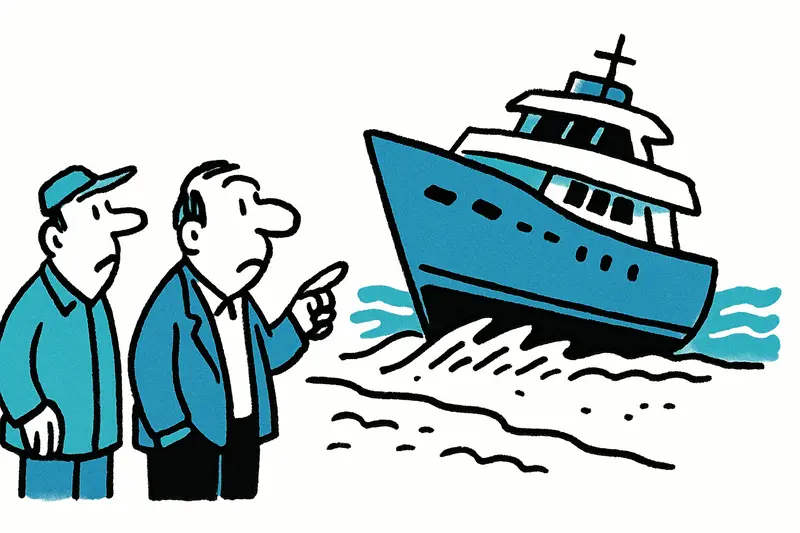
On the night of January 19 a storm with hurricane-like force wreaked havoc along large parts of Mallorca's northeast coast. This follows storms elsewhere on the island discussed in Night Storm Hits Andratx and Calvià – Are We Really Prepared?. On the morning after, something appeared on Playa de Sa Marjal that is rarely seen here: a 28-meter aluminium expedition yacht lodged in the sand. Its name: Acoa. A 68-year-old German skipper, alone on board, survived the incident badly injured and hypothermic. The images are surreal; the questions that remain are far more complicated.
On site it sounds different than at a press conference: the wind whistles across the car park, the sand crunches under the firefighters' boots, an old fisherman drives up the access road, two neighbours stand on the promenade and talk quietly about the smell of diesel and dangerous conditions in previous winters. These everyday scenes show that for residents this is not just an image but an ongoing problem — noise, closures, and the fear of an oil spill.
Critical analysis — what we know and what remains unclear
Facts (confirmed by eyewitnesses and the ship's condition): The Acoa is a robustly built vessel with a double hull and 22 mm thick aluminium, 28 meters long, designed for heavy weather and with long voyages behind it, including to Antarctica. Nevertheless, it ran aground in an open bay during the storm. The skipper left the vessel, suffered injuries and went into shock. Salvage is estimated in six figures; one offer was around €322,000. Authorities fear up to 5,000 litres of diesel could leak; provisional measures using large rubber tyres aim to reduce further damage.
Why the yacht was not in a harbour is a central point: according to the skipper, financial constraints, high berth fees and security concerns at some marinas played a role. Ownership is also opaque; three men are involved, there is dispute over payment obligations, and a co-owner who was on board claims to have invested substantial amounts. Who makes decisions — who holds control and the money — is therefore a legal headache. A similar question — who actually pays for large yachts — was examined in Former king's yacht between Ibiza and Mallorca: Luxury, history — and who actually pays?.
What is underrepresented in public debate
- Long-term responsibility structures: Not only who pays now, but how ownership, insurance and harbour concepts for such vessels are organised.
- Practical harbour capacity and price transparency: If skippers anchor in bays for cost reasons instead of safe marinas, the problem shifts to the public — harbour policy and fee models are part of the debate. This mirrors concerns about small, rented boats and damaged bays covered in Drunk Boats, Battered Bays: When Private Boat Rentals Put Mallorca's Coasts at Risk.
- Emergency management on beaches: Who decides quickly on salvage operations, who orders oil exclusion zones, and how fast does the responsible regional authority intervene?
Concrete proposals — what would help now
1) Immediate measure: A binding emergency plan for such cases; a list of certified salvage companies, clear contacts at the island council and the harbour master, and above all transparent cost estimates for those affected and insurers.
2) Prevention: Harbour operators must disclose their pricing policies and municipalities should consider tiered rates or municipal support for winter berths — so smaller owners do not resort to risky solutions.
3) Legal certainty: In cases of unclear ownership a fast procedure must apply to clarify liability, cost-sharing and access to insurance; otherwise cleanup, salvage and environmental protection fall on the public or local authorities.
4) Environmental preparedness: Stocks of absorbents, trained personnel and clear reporting chains for impending fuel loss must be available at island level.
What people in Son Servera say about the situation
A neighbour described the morning after the storm: the fire brigade sirens, then the monotone buzz of a chainsaw, later children walking past and pointing at the yacht. A local man says there have long been discussions about berths and thefts in harbours — that fuels distrust of expensive marinas. Such voices matter because they show: the grounding is not just a technical problem, it touches local lives.
Punchy conclusion
The Acoa in Son Servera is more than a spectacular photo opportunity. It is a focal point for many issues: unclear ownership, scarce harbour capacity, financial pressure on individual owners, and an inadequately coordinated emergency and environmental protection system. The main question remains: Who covers the costs when private interests, insurers and public responsibility collide? Simple blame does not help. Rules, transparency and fast, reliable procedures are needed — otherwise the next yacht will not be the last to run aground on Mallorca's beaches.
Read, researched, and newly interpreted for you: Source
Similar News

Why Calçats Alba Is Closing — and What Palma Is Losing
Calçats Alba on the Plaça de la Mare de Déu de la Salut is ending sales after more than 70 years. A local tour, a critic...

Short trip to Paris: Why Mallorcans should give the Seine a chance
Two hours by plane, different air, far too many croissants — and yet: Paris is more than a cliché. A suggestion for a we...

What to do when your flight causes trouble? A reality check for Mallorca travelers
Flight cancelled, stuck for hours at the airport — what passengers are entitled to and how to enforce claims in Mallorca...

Pub stages awaken: 'Teatre de Barra' starts a new edition in Palma
Short plays in bars on Calle Blanquerna: the popular pub theatre returns with the theme of tourism — five evenings in Fe...

Palma invests at Bellver: Much money, open questions
The city of Palma plans a €3.18 million project around the Castillo de Bellver. Two million euros come from the tourism ...
More to explore
Discover more interesting content

Experience Mallorca's Best Beaches and Coves with SUP and Snorkeling

Spanish Cooking Workshop in Mallorca
